
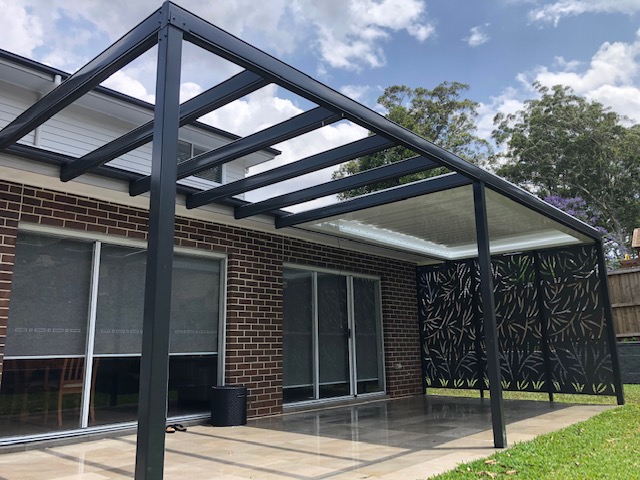
How to Prevent Water Damage to Your Outdoor Deck in Sydney
A beautiful outdoor deck can transform your backyard into a comfortable space for entertaining, relaxing and spending time with family. However, without proper drainage and regular maintenance, water can gradually affect the appearance and performance of your decking.
Sydney's changing weather, including heavy rainfall and humid conditions, makes water management an important consideration when planning an outdoor deck. Understanding how water moves across and beneath your decking can help protect your investment and keep your outdoor area looking its best.
At Aussie Pergolas & Landscapes, we provide decking solutions designed around individual properties, including hardwood, Merbau, pine, composite and pool decking. Choosing suitable materials and planning the installation correctly are important steps towards long-term performance.
1. Make Drainage a Priority During Installation
Effective drainage starts before the first decking board is installed.
Water needs a suitable path to drain away rather than collecting beneath the deck or against the house. Poor drainage can contribute to persistent dampness, timber deterioration and problems with the supporting structure.
During the planning stage, consider the ground levels, existing drainage points, soil conditions and the direction in which rainwater will flow.
A professional installer can assess these factors and determine the appropriate drainage arrangements for your property.
2. Allow Water to Drain Between Decking Boards
Decking systems need to be installed according to the requirements of the selected material.
For timber decking, appropriate spacing between boards allows water to drain and supports airflow. The correct spacing depends on the timber, moisture conditions and installation specifications.
Composite decking also has specific installation requirements, including board spacing, expansion allowances and substructure preparation.
Following the manufacturer's guidelines helps prevent drainage problems and supports the long-term performance of the deck.
3. Keep the Area Beneath Your Deck Clear
The space underneath a raised deck should not become a place where leaves, soil and other debris accumulate.
Blocked drainage paths can restrict water movement and reduce airflow. Over time, this can create conditions that encourage mould, unpleasant odours and deterioration of nearby materials.
Inspect the area periodically and remove debris where it is safe to do so. If water regularly pools beneath your deck, investigate the cause instead of simply covering the affected area.
4. Inspect Your Deck After Heavy Rain
Heavy rainfall provides a useful opportunity to identify potential drainage issues.
Look for:
Water pooling on the decking surface
Water collecting near the house
Persistently damp areas beneath the deck
Blocked drainage channels
Loose or damaged boards
Signs of timber deterioration
Some moisture immediately after rain is normal. However, water that remains for extended periods may indicate a drainage or installation issue that needs attention.
If you notice structural movement or significant deterioration, arrange a professional inspection before continuing to use the affected area.
5. Maintain Timber Decking Correctly
Natural timber decking can provide a warm, timeless appearance, but it requires appropriate maintenance.
Depending on the timber species and finish, maintenance may include cleaning, inspecting fixings and applying a suitable protective treatment.
Avoid assuming that every timber deck needs the same product or maintenance schedule. Follow the recommendations for your specific timber and finish.
Keeping the surface clean also helps prevent organic debris from holding moisture against the boards.
6. Understand the Maintenance Needs of Composite Decking
Composite decking is popular with homeowners who want an alternative to natural timber with generally lower ongoing maintenance requirements.
However, composite decking is not completely maintenance-free.
Leaves, dirt and other debris should be removed regularly, and drainage gaps should remain clear. Follow the manufacturer's cleaning instructions and avoid using unsuitable chemicals or abrasive tools.
Correct installation remains essential because drainage, ventilation and expansion requirements vary by product.
7. Consider How Your Pergola Affects Water Flow
If your deck sits beneath or beside a pergola, the roofing and drainage arrangements should be considered together.
Roof runoff can concentrate water in particular areas. Without appropriate drainage, this may lead to pooling around deck edges, garden beds or the foundations of nearby structures.
A coordinated design considers roof drainage, downpipes, surface levels and the surrounding landscape before construction begins.
Aussie Pergolas & Landscapes offers pergolas, decking and landscaping services, making it possible to consider these elements as part of a coordinated outdoor project.
8. Check the Surrounding Landscaping
Water management does not stop at the edge of the deck.
Garden beds, paving, retaining walls and lawns can all influence how water moves across your property.
If soil or mulch is positioned against timber components, or paving directs runoff towards the house, moisture-related problems may develop.
A well-planned landscape should complement the deck while allowing water to drain appropriately. Where retaining walls or significant changes to ground levels are involved, professional assessment may be necessary.
Why Professional Deck Installation Matters
A long-lasting deck depends on more than the quality of the boards. The substructure, fixings, ground conditions, ventilation and drainage all influence the finished result.
Before choosing a decking material, consider how the area will be used, how exposed it is to rain, and whether it will sit near a pool, garden or covered entertaining area.
Aussie Pergolas & Landscapes provides decking solutions across Sydney, including hardwood, Merbau, pine, composite and pool decking. The team can help homeowners consider suitable options for their property and outdoor requirements.
Frequently Asked Questions
Why does water collect on my deck after rain?
Possible causes include blocked gaps, uneven surfaces, poor drainage or the natural characteristics of the decking material. If water remains for an extended period, arrange an assessment to identify the cause.
Does composite decking need drainage?
Yes. Composite decking still requires suitable spacing, substructure preparation and drainage in accordance with the manufacturer's installation instructions.
How often should I inspect my deck?
Inspect it periodically and after significant weather events. The frequency of more detailed maintenance depends on the material, exposure and manufacturer's recommendations.
Can a pergola help protect my deck from water damage?
A roof can reduce direct rainfall on parts of a deck, but roof runoff must be managed correctly. A pergola does not eliminate the need for suitable drainage and maintenance.
Can poor drainage damage the structure beneath a deck?
Yes. Persistent moisture can contribute to deterioration of timber components, corrosion of unsuitable metal fixings and other structural problems. Address ongoing pooling promptly.
Protect Your Outdoor Investment
Good drainage is one of the most important parts of creating a durable outdoor deck. By selecting appropriate materials, following installation requirements, keeping drainage paths clear and inspecting the structure regularly, you can reduce avoidable moisture problems.
If you're planning a new deck or experiencing drainage concerns with an existing outdoor area, Aussie Pergolas & Landscapes can help you explore suitable decking and landscaping solutions for your Sydney property.
Contact the team to discuss your project and request a consultation.


